
Compare Life Policies Piece by Piece in La Crescenta-Montrose, CA
Read how term life and whole life policies differ, which details move the price and what applying usually involves, all in plain words. When you want to go further, answer a few questions through our short form. Everyone begins the same way, whether home is La Crescenta-Montrose, Glendale or La Cañada Flintridge.
- No cost to you
- No obligation to buy
- Term or whole life
- Plain-language answers
Coverage options for La Crescenta-Montrose families
Answer six short questions and a licensed agent will follow up with options that fit your situation.
- Takes about two minutes
- No obligation to buy
- Your details stay private
Free, no obligation
See your coverage options
Six short questions. About two minutes.
The Towns We Cover
People start here from La Crescenta-Montrose, Glendale, Burbank, La Cañada Flintridge, Pasadena, Altadena, South Pasadena, Alhambra, Arcadia, San Gabriel and Temple City. The questions at the start do not change from one town to the next.
- La Crescenta-Montrose
- Glendale
- Burbank
- La Cañada Flintridge
- Pasadena
- Altadena
- South Pasadena
- Alhambra
- Arcadia
- San Gabriel
- Temple City
You read the same explanations, follow the same steps and make your own choice wherever you live. The one thing your town decides is which licensed agent gets in touch.
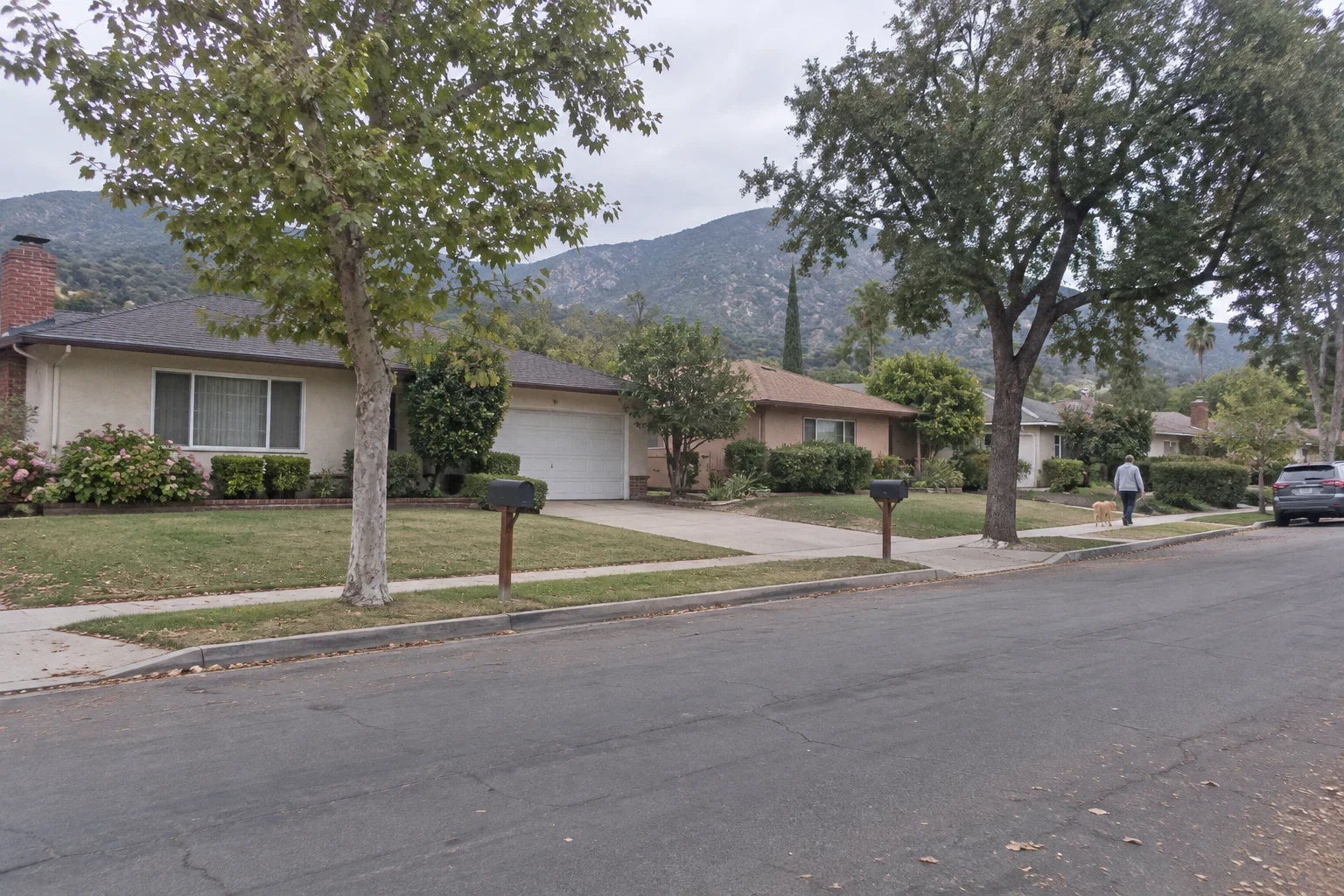
Two Kinds of Life Policy, Two Different Jobs
Term life runs for a fixed stretch of years and pays only if death happens inside that stretch. Whole life stays in place for your entire life and gathers cash value along the way; an agent can explain how that value works in a particular policy. Many people start by asking how many years others will rely on them, then compare that with a premium they could keep paying. The Term Life Insurance and Whole Life Insurance pages look at each kind in depth.
Term Life Insurance
Cover for a fixed span of years, chosen to match how long your family depends on your income or how long a home loan has left to run.
Whole Life Insurance
Lifelong coverage with a cash value feature, laid out in plain words so you know which questions to bring to the agent before you choose.
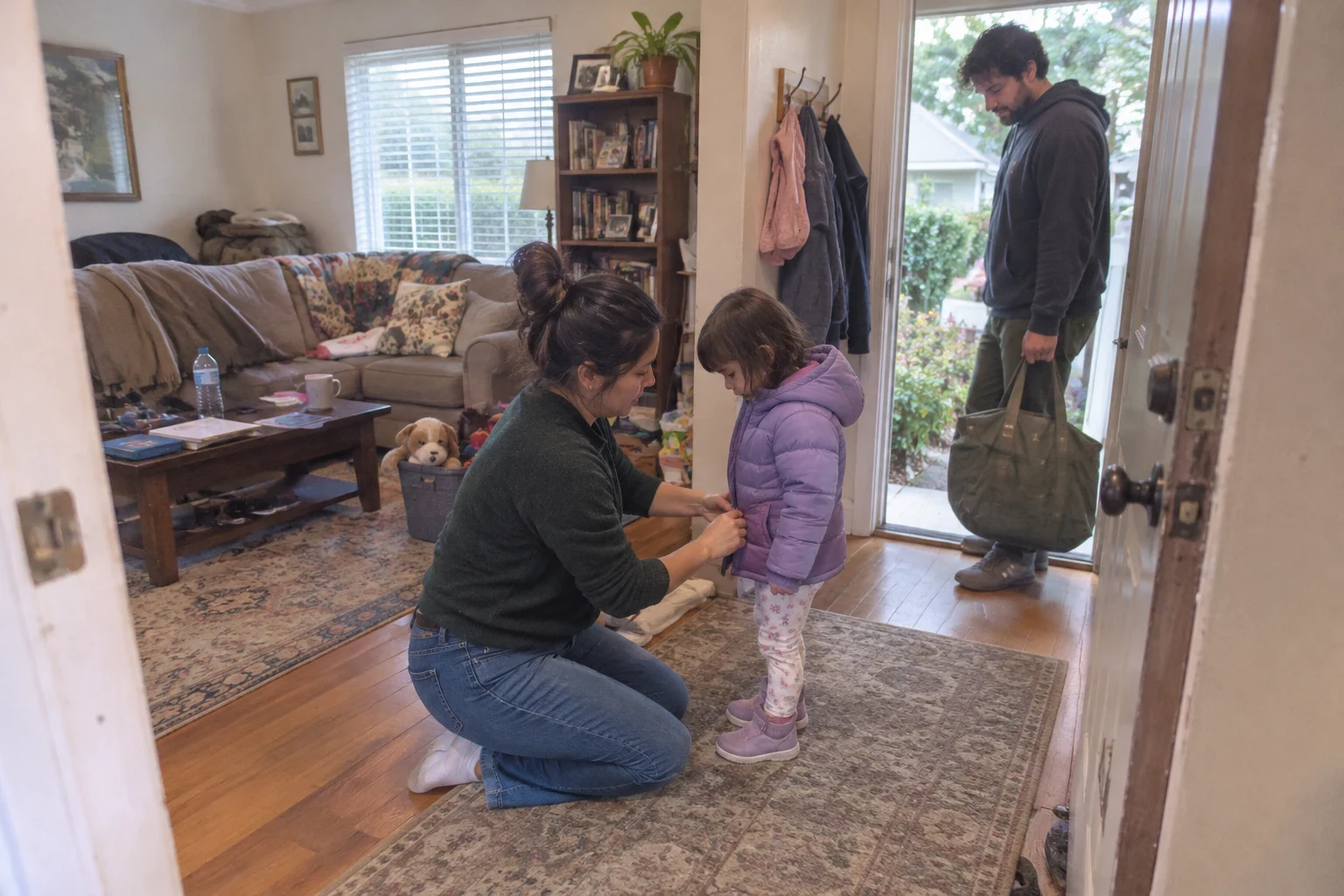
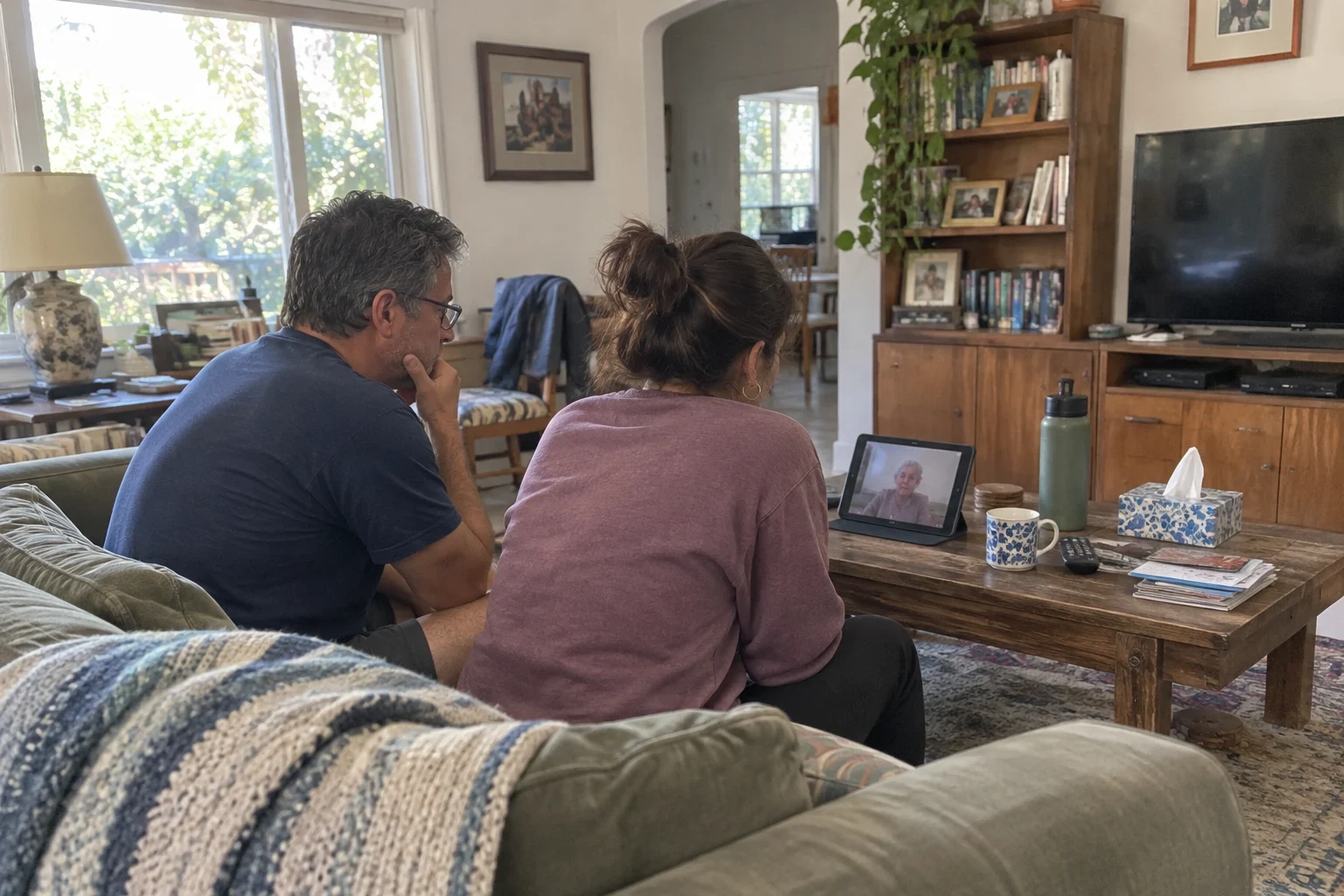
About Life Insurance La Crescenta-Montrose
Life Insurance La Crescenta-Montrose is a free service with one purpose: it connects you with a licensed life insurance agent in California. It does not sell, price or issue policies. It is not an insurance company, and it is not an agent.
What we provide is the plain explanations on these pages and the introduction to an agent. After your answers are sent, the conversation is between you and that agent, and the questions, the timing and the final say are all yours. You can read how your details are handled on the About page.
How We Help You Compare
Unfamiliar words are a big reason people delay life insurance. So we explain first, and you choose when, or if, to take the next step.
- Both sides of every policy
- Each kind of policy offers something and costs something in return. We lay out the gains and the give-ups plainly, so you reach any conversation already knowing the basics instead of hearing a pitch.
- Answers you give only once
- You fill in a few questions a single time. The agent who contacts you has them in hand, so there is no starting over.
- Your call, start to finish
- We explain the things people often think about and then step back. You and the agent sort through the possibilities, and you are free to stop whenever you like.
- Plain meanings for policy words
- Beneficiary, coverage amount, term length and cash value are each explained the first time they appear. That way the language in a policy feels familiar when it reaches you.
What Moves the Price of a Life Policy
A life policy is priced from a few facts about you and the coverage you choose. Seeing them laid out explains why two neighbors with similar incomes might be offered quite different policies. Nothing here is hidden, and you likely know most of it already.
The insurance company sets the price and makes the call on approval and coverage; we have no say in it. When you talk with an agent, it is fair to ask which of these details weighs most in your situation.
- Your age
- How old you are on the day you apply is part of how insurers set the price. Starting the same policy later in life generally costs more.
- Your health
- Past and present health conditions affect what an insurance company is willing to offer. Expect questions about them, and answer carefully so nothing has to be corrected later.
- Tobacco use
- Applicants who use tobacco are usually priced in a separate group. It is asked about plainly on the application.
- The amount of coverage
- The bigger the amount, the more it costs to keep. One rule of thumb for reaching a starting figure is explained in the questions further down.
- The length of the term
- With term life, choosing more years at the same amount generally raises the price, since the insurer is covering a longer stretch.
- The kind of policy
- Term life runs for a fixed number of years, while whole life lasts your lifetime and gathers cash value. That difference is why the two are priced so differently.
From a Few Answers to a Policy Decision
Getting a life policy tends to move in the same order for most people. These are the usual stages from your first answers to a decision.
- 1
Share the basics
Fill in a few details through our short form, such as a rough amount, the person you would name as beneficiary and some facts about yourself. Plan on about two minutes.
- 2
A local agent follows up
A licensed agent who covers your town receives your answers and contacts you with choices that match them. Bring up anything that seems unclear, from term lengths to cash value.
- 3
The application and health questions
Should you decide to apply, expect questions on your medical history and lifestyle. Certain policies add a medical exam, and the agent will know which ones.
- 4
The insurer decides
An insurance company reviews what you submitted and gives its answer. If it approves, the policy is issued and mailed to you to read over.

Questions People Ask Before They Start
- How much life insurance do people usually look at?
- A common rule of thumb multiplies yearly income by several years and then adds debts someone would want paid off, a mortgage being the usual one. Purely as an example, not advice: Census figures (American Community Survey, 2023) give La Crescenta-Montrose a median household income of $119,775 and a median home value of $1,151,100. A household close to those figures with a mortgage might start from several years of that income plus the loan balance still owed. Your figures will be different, and the agent can talk through the number you have in mind.
- Why do people buy life insurance in the first place?
- Most often it is to keep a paycheck going for the people who count on it, or to clear the mortgage. Others want money set aside for raising children, for funeral costs or simply to leave something to family. Pinning down which of these you care about makes the amount and the length of coverage much easier to judge.
- Will I need a medical exam?
- Expect health questions on nearly every application, and an exam on some. Policies that skip the exam do exist, though they usually cost more or cover less. The agent can tell you which way the policies you are looking at work.
- What if I change my mind after the policy arrives?
- Every life policy has a free-look period lasting at least 10 days. If you cancel within it, you get back what you paid. The policy itself states the exact number of days, so look for it when you read through the paperwork.
- Is the money a beneficiary receives taxed?
- Federal law generally does not treat a payout to a named person as taxable income. Circumstances vary, so a tax adviser is the right person to ask about your own case.
- Am I committing to anything by answering the questions?
- No, there is no obligation to buy. Look over whatever the agent brings, ask as many questions as you want, and take your time. Choosing not to go ahead is fine too.

Start With What You Already Know
Your age, the people you would name and a rough amount are enough to begin. It takes about two minutes, and you can pause whenever you like.